
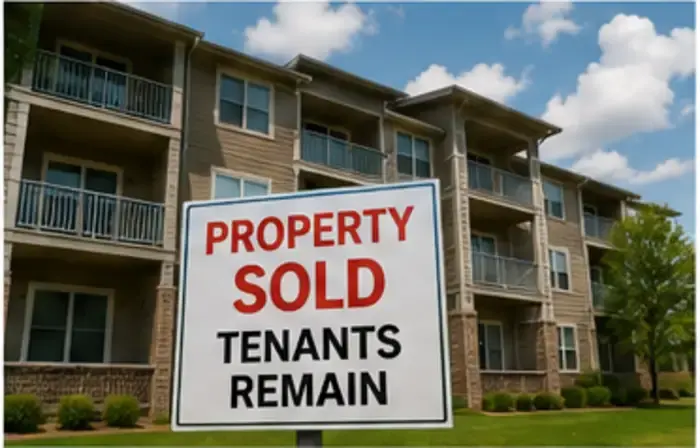
If your landlord says the rental is being sold, the first question is usually whether you have to move. A normal property sale does not automatically create one move-out date for every Utah renter. Tenant rights when landlord sells property depend mainly on your lease type, the lease language, and whether a valid termination process applies. If you are asking “can my landlord sell the house I’m renting,” the answer is yes, but the owner’s right to sell and the end of your tenancy are separate issues. A fixed-term lease, a month-to-month tenancy, and a lease with a sale or early-termination clause can produce different results. This guide provides general Utah information; a lease-specific dispute may require legal advice.
Do You Have to Move When the Rental Is Sold?
Not automatically. A normal sale changes who owns the property, but it does not by itself erase every rental agreement or create an immediate eviction order. Your lease and the lawful rules for ending the tenancy still matter.
Tenant rights when landlord sells property are easiest to understand by first identifying whether you have a fixed-term lease or a month-to-month tenancy. A fixed-term renter may have the right to remain through the agreed term unless the lease contains a lawful sale or early-termination mechanism, the tenant agrees to leave, or another legal ground applies. A month-to-month tenancy can be ended with the notice required by Utah law when the notice is timed correctly.
Utah landlord tenant laws property sale questions involving foreclosure can be different. This article focuses on a normal voluntary sale, not foreclosure.
What Happens to Your Lease After the Sale?
If You Have a Fixed Term Lease
In an ordinary sale, an unexpired rental agreement generally continues unless the lease itself provides a lawful way to end it, the tenant voluntarily agrees to end it, the term expires, or another legal ground applies. The buyer becomes the new owner, so the practical landlord relationship changes after closing.
If you have a fixed term lease when property is sold, read the full agreement before relying on a verbal statement from the seller or buyer. Pay particular attention to the lease term, renewal language, sale clause, early-termination terms, entry rules, default provisions, and any notice requirements. A Utah lease transfer to new owner situation should be documented through written communication about management and payment instructions.
Does a New Owner Have to Honor a Lease in Utah?
In a normal sale, an existing fixed-term lease generally remains important after ownership changes. The exact answer still depends on the agreement and the facts. A lawful sale or early-termination clause, a voluntary written move-out agreement, lease expiration, or a valid eviction ground can change the result.
Can the Landlord End the Lease Just to Sell?
A sale does not automatically cancel every fixed-term lease. When asking “can landlord break lease to sell property,” check whether the written lease contains an enforceable sale or early-termination provision and whether the landlord is following it. The parties can also voluntarily sign a written agreement to end the lease early.
Nonpayment or another lease breach can create a separate eviction issue, but that process is not the same as the landlord simply wanting a vacant home for a buyer. A verbal request to move should not be treated as a change to the written lease unless you understand and agree to the change.
What If You Rent Month to Month?
How Utah’s 15 Day Notice Rule Works
For an indefinite tenancy with monthly or another periodic rent schedule, Utah Code provides a notice rule tied to the end of the rental period. The owner, agent, or successor in estate must generally serve notice 15 calendar days or more before the end of that period when ending the tenancy.
The Utah 15 day notice to vacate is therefore not simply 15 days from the day a property is listed, put under contract, or sold. The notice must line up with the end of the applicable rental period. A Utah month to month tenant notice should be checked for both timing and service rather than judged only by the number written on the notice.
When someone asks how much notice does a landlord have to give when selling property, there is no single sale-specific notice period that applies to every renter. Entry notice for showings and termination notice for a periodic tenancy are different rules.
How Long Do You Have to Move After the Sale?
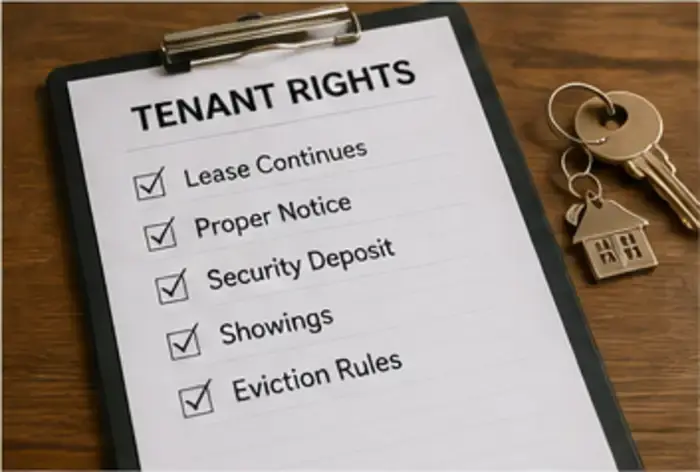
There is no universal Utah deadline created only by the closing date. A tenant with a fixed-term lease can have a very different timeline from a month-to-month tenant. If a valid termination notice is served, read the date in the notice together with the rental period and the lease.
That is why the question “how long do tenants have to move out after house is sold” cannot be answered with one number for every renter. The sale date is not automatically the move-out date.
What Rights Do You Have During Showings?
Tenant rights during house showings continue while the owner is marketing the property. Utah law generally requires an owner to give at least 24 hours prior notice before entering a residential rental unit, except as otherwise provided in the rental agreement. The lease matters, so read its entry provision as well.
The rule can affect buyer showings, inspections, appraisals, photography, repair visits, and other sale-related access. Tenant rights when house is for sale do not mean the renter can block every reasonable entry, but the sale also does not erase privacy protections.
A practical approach is to keep showing requests in writing and ask for reasonable windows that both sides can follow. If access becomes disputed, keep a record of notice times, entry dates, and the lease terms. Avoid relying on informal promises that cannot be verified later.
Who Do You Pay Rent to After the Property Sells?
Keep paying rent according to valid lease instructions while the tenancy remains active. Do not stop paying merely because the property is changing owners. After closing, look for written notice identifying the new owner or property manager and explaining where and how rent should be paid.
If you are asking “who do I pay rent to after landlord sells property,” verify unexpected changes before sending money. A sudden text or email asking for a new payment account is worth confirming through a known management contact or written ownership notice, especially when the timing overlaps with closing.
What Happens to Your Security Deposit?
A property sale does not erase your security deposit rights. Utah law focuses on the responsibilities of the holder of the owner’s interest when the tenancy ends. It should not be described as if the statute creates one universal closing-day transfer procedure for every sale.
Keep your original deposit receipt, lease, move-in condition records, and any written notice explaining who will hold or account for the deposit after closing. If the tenancy later ends, Utah law generally requires the balance of the deposit and prepaid rent, plus an itemized explanation of deductions, within 30 days after the renter vacates and returns possession.
What Happens to the Security Deposit When Property Is Sold?
Ask the old owner or property manager for written confirmation of the deposit amount and ask the new owner who will be responsible for it going forward. For a Utah security deposit transfer new owner situation, clear records are more useful than assumptions about what happened behind the scenes at closing.
Can the New Owner Make You Leave?
When a New Owner Can Seek Eviction
A new owner can seek possession when the tenancy has lawfully ended or when another valid eviction ground exists. The sale itself should not be treated as an instant eviction order. For a month-to-month tenant, that means looking at the proper termination notice. For a fixed-term tenant, the lease expiration, lease terms, voluntary agreement, or a lawful breach-based process can matter.
A Utah tenant eviction after property sale still requires the applicable process. The question “can new owner evict tenant” is therefore different from whether the new owner would prefer the home to be vacant.
What the New Owner Cannot Do Instead of Going to Court
Utah law prohibits willfully excluding a tenant from the premises except through judicial process, subject to the statutory abandonment exception. A new owner should not replace the legal process with self-help such as changing locks or physically excluding a tenant when the tenancy has not been lawfully ended.
If you receive an eviction notice, do not ignore it. Notice type, service, lease status, and deadlines matter. For a serious dispute, contact Utah Legal Services or a Utah attorney promptly.
What Should You Do After You Hear the Property Is Selling?
- Read the entire lease and identify the end date, renewal terms, sale clause, early-termination clause, entry rules, and default provisions.
- Save written messages from the landlord, real estate agent, property manager, and buyer.
- Keep paying rent according to valid instructions while the tenancy remains active.
- Ask in writing who will manage the property after closing and who is responsible for the security deposit.
- Keep records of showing notices and entry dates if access becomes disputed.
- Do not sign a lease termination, move-out agreement, or replacement lease until you understand what rights or dates it changes.
If the seller or buyer demands an early move-out that does not match your lease or notice, get Utah-specific legal help before assuming you have to leave.
Frequently Asked Questions
Can my landlord sell the house I’m renting in Utah?
Yes. The owner can sell a rented property. The separate question is when your tenancy can lawfully end. A sale does not automatically cancel every lease or create an immediate move-out date, so check your lease type and any valid notice.
Does a new owner have to honor a lease in Utah?
An unexpired fixed-term lease generally continues to matter after an ordinary sale, but the exact result depends on the lease and the facts. Check for any lawful sale or early-termination clause, voluntary agreement, lease expiration, or other valid ground.
How much notice does a landlord have to give when selling property?
There is no one universal sale notice for every Utah renter. Showings generally involve the 24-hour entry-notice rule unless the lease provides otherwise. Ending an indefinite periodic tenancy uses a separate rule that generally requires at least 15 calendar days before the end of the rental period.
Can a landlord break a lease to sell property?
A sale does not automatically cancel every fixed-term lease. Whether the tenancy can end early depends on the written lease, a voluntary agreement, lease expiration, or another lawful ground. A verbal request to leave does not by itself rewrite the lease.
Can a new owner evict a tenant right after closing?
Closing day is not automatically eviction day. A new owner may seek possession only through the applicable termination and court process. The required steps depend on the lease type, notice, expiration, and any separate eviction ground.
What Utah Tenants Should Remember
The three most important steps are to read the lease, identify whether the tenancy is fixed term or month to month, and require the proper notice and legal process before assuming a move-out date. Tenant rights when landlord sells property continue to matter while ownership changes, including entry, rent payment, deposits, and eviction procedure. Keep records of every notice and payment change. If the landlord or buyer demands an early move that does not match your agreement, get Utah-specific legal help before signing a termination or handing over possession.