

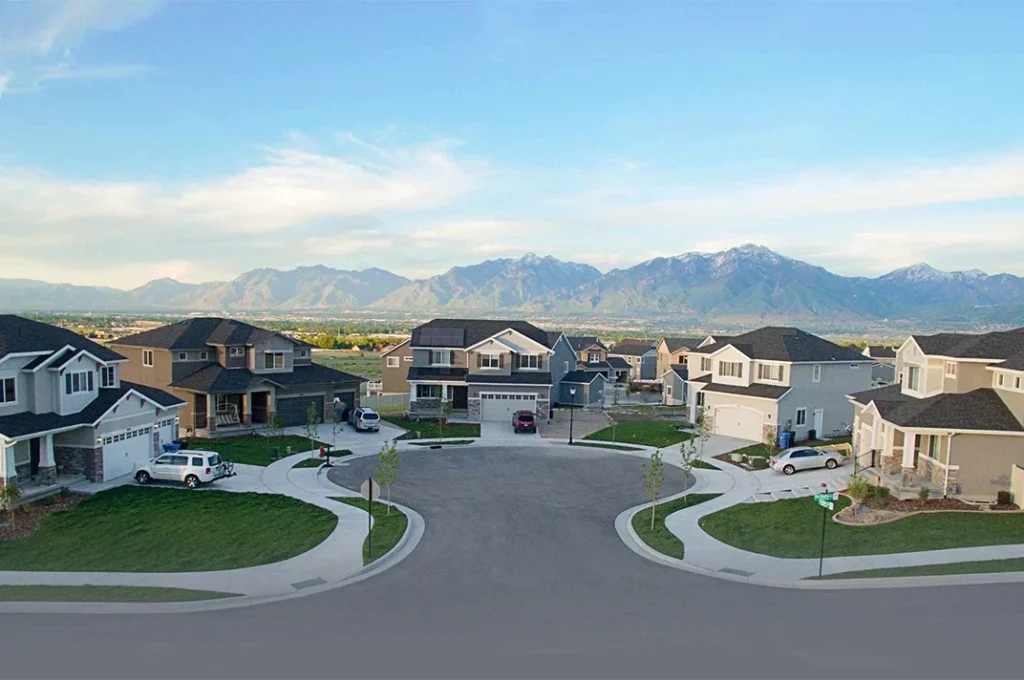

Homeowners looking for how to sell a house fast PA often focus first on the offer price. A better comparison includes net proceeds, seller workload, certainty, preparation, and the full timeline from decision to closing. The main routes are an agent assisted market listing, a for sale by owner sale, and a direct or as is sale. Each can fit a different situation. Property condition, pricing, buyer financing, title work, and contract terms can change the timing for any route. The goal is not to name one universal winner. It is to choose the route that best matches your priority: market exposure, control, convenience, certainty, or speed.
Start With a Realistic Home Value
A useful home valuation in PA gives you a benchmark before you compare a list price with a direct offer. An online estimate can provide a quick reference, but it may not fully reflect condition or a street level difference. A comparative market analysis uses recent comparable sales and active competition. A formal home appraisal provides an independent valuation for a specific purpose.
Whichever method you use, compare nearby closed sales, current listings, condition, lot or property features, and location. An unrealistic asking price can extend market time even when the seller needs speed. Also estimate the amount you expect to keep after mortgage payoff and selling costs. Market value and seller net are related, but they are not the same number.
Compare the Main Ways to Sell
| Selling route | Seller control | Seller workload | Cost structure | What can affect timing |
| Agent assisted listing | Shared with agent | Lower day to day | Negotiated broker compensation plus seller costs | Price, preparation, financing, inspection, appraisal, title |
| For sale by owner | High | High | No listing broker fee if none hired; other costs remain | Exposure, seller experience, negotiations, financing, paperwork |
| Direct or as is sale | High over acceptance and closing date | Often lower preparation burden | Offer reflects condition and convenience; verify fees | Title, liens, proof of funds, contract terms |
Selling With a Listing Agent
A listing agent can help with pricing guidance, marketing, showings, offer management, negotiations, and transaction follow through. A broad market launch can expose the home to more potential buyers, which may help price competition. The timeline still depends on market demand, condition, buyer contingencies, appraisal, financing, and title work.
Listing agent commission is a negotiated contract term, not a fixed Pennsylvania percentage. Review the services included, any additional fees, cancellation terms, and how buyer side compensation or concessions will be handled. This route can fit sellers who value exposure and professional management more than maximum hands on control.
Selling the House Yourself
For sale by owner gives the homeowner direct control of pricing, marketing, showings, negotiations, and coordination. The possible benefit is avoiding a listing agent fee when no listing agent is hired. The tradeoff is more seller workload and execution risk.
The FSBO process still includes disclosure, contract, title, settlement, tax, marketing, repair, and other responsibilities. Pennsylvania seller disclosure duties can still apply when a property is sold without a listing agent. Sellers should use professional help for contracts, title, tax, or legal questions when needed rather than assuming FSBO means doing every part alone.
Selling Directly or As Is
A direct or as is sale can reduce preparation, repeated showings, and some financing uncertainty. It can make sense when the home needs work or when closing flexibility has more value than broad market exposure. The seller should verify the buyer’s identity, proof of funds, inspection rights, assignment language, fees, title requirements, and amount expected at closing.
The best way to sell a house in Pennsylvania depends on the tradeoff you accept. Compare a direct offer with a realistic market value and expected net from the other routes. No responsible buyer or agent can guarantee that every property will close by the same date.
What Actually Controls the Selling Timeline?
The full timeline includes preparation, time to find a buyer, contract negotiations, due diligence, financing or proof of funds, title work, and closing. A correctly priced, market ready home can behave differently from an overpriced property with major deferred maintenance. Mortgage financing can add appraisal, underwriting, and lender conditions. Verified cash can remove financing related steps, but title and contract work still remain.
Liens, ownership questions, estate issues, municipal requirements, unresolved title defects, or missing documents can delay any route. When considering how long it takes to sell a house, track the full time from decision to completed closing, not only days on market.
Prepare the House Without Losing Time
When speed matters, separate must fix issues from optional cosmetic work. Prioritize safety, active leaks, obvious deferred maintenance, cleanliness, decluttering, access, and clear photos if the home will be marketed publicly. Major renovation is not automatically necessary for every sale.
Home staging can improve presentation for some properties, while an as is route can reduce preparation work in exchange for a different buyer and offer profile. A simple home selling checklist should include ownership documents, seller disclosure, value estimate, repair decision, photos, access plan, mortgage payoff, title or lien review, and an estimated seller net.
Does the Best Month to Sell Matter?
The best month to sell a house can vary by local Pennsylvania market. Buyer activity and inventory often change by season, but the seller’s own deadline, carrying costs, property condition, and local demand may matter more than a statewide pattern. Before delaying a necessary sale for a calendar month, check recent local sales, active competition, and the cost of holding the property longer.
Compare the Real Cost of Each Route
How much it costs to sell a house depends on the chosen route and the specific transaction. Compare negotiated broker compensation, preparation, photography or marketing, repairs, seller concessions, settlement related charges, transfer tax allocation, mortgage payoff, liens, and moving or carrying costs.
Pennsylvania imposes a 1 percent state realty transfer tax, and a local transfer tax also applies. The state treats grantor and grantee as jointly and severally liable, although the parties can privately agree how to allocate payment. That means the seller should use the purchase agreement and local rate when calculating a net. Mortgage payoff is not a selling fee, but it reduces the cash received at closing.
A side by side seller net sheet is more useful than comparing one commission rate or one offer price. It shows which route is likely to leave the stronger amount after all known deductions. Include costs paid before closing too. Photography, cleaning, repairs, moving, storage, utilities, insurance, and extra mortgage interest may not appear as one settlement charge, but they still reduce the economic net. When two routes have different timelines, estimate carrying costs for each. This keeps a direct sale, FSBO plan, and market listing on the same financial basis.
A Simple Decision Process for Pennsylvania Sellers
- Confirm why you are selling and the latest acceptable closing date.
- Estimate current market value and request a current mortgage payoff.
- Decide how much preparation, repair work, and showing activity you are willing to handle.
- Compare the routes that realistically fit the property and deadline.
- Review expected net proceeds, buyer contingencies, financing strength, and closing flexibility.
- Complete required seller disclosure and property documents at the proper point in the transaction.
- Review the contract and final settlement figures before committing.
Frequently Asked Questions
How Long Does It Take to Sell a House in Pennsylvania?
There is no single statewide timeline. Preparation, market time, contract negotiations, financing or proof of funds, inspections, appraisal, title work, and closing all matter. A cash buyer can remove financing steps, but title and contract requirements still remain.
Can I Sell a House Without a Realtor in Pennsylvania?
Yes. An FSBO seller handles pricing, marketing, showings, negotiation, disclosure, paperwork, and coordination. Avoiding a listing agent does not remove every legal, settlement, tax, marketing, repair, or closing responsibility.
What Is the Fastest Way to Sell a House in Pennsylvania?
The fastest practical route depends on the property and seller goal. A verified direct buyer may remove financing and preparation steps, while a well priced market listing can also attract a buyer quickly. Compare title readiness, terms, and net proceeds.
How Much Does It Cost to Sell a House in Pennsylvania?
The total varies by route and contract. Costs can include negotiated broker compensation, preparation, concessions, state and local transfer tax allocation, settlement charges, repairs, liens, and carrying costs. Use a property specific seller net instead of one statewide percentage.
What Is the Best Month to Sell a House in Pennsylvania?
Seasonality varies by local market. A historically active month may help, but current inventory, buyer demand, carrying costs, property condition, and your deadline can matter more. Check recent local data before delaying a necessary sale.
Final Takeaway
When deciding how to sell a house fast PA, compare more than speed. The best route depends on market exposure, control, preparation, certainty, and expected net proceeds. Review the written terms and realistic closing timeline of each option that fits your property. If you want a clearer comparison, request a no obligation sale option or seller net estimate and place it beside a realistic market sale projection.