
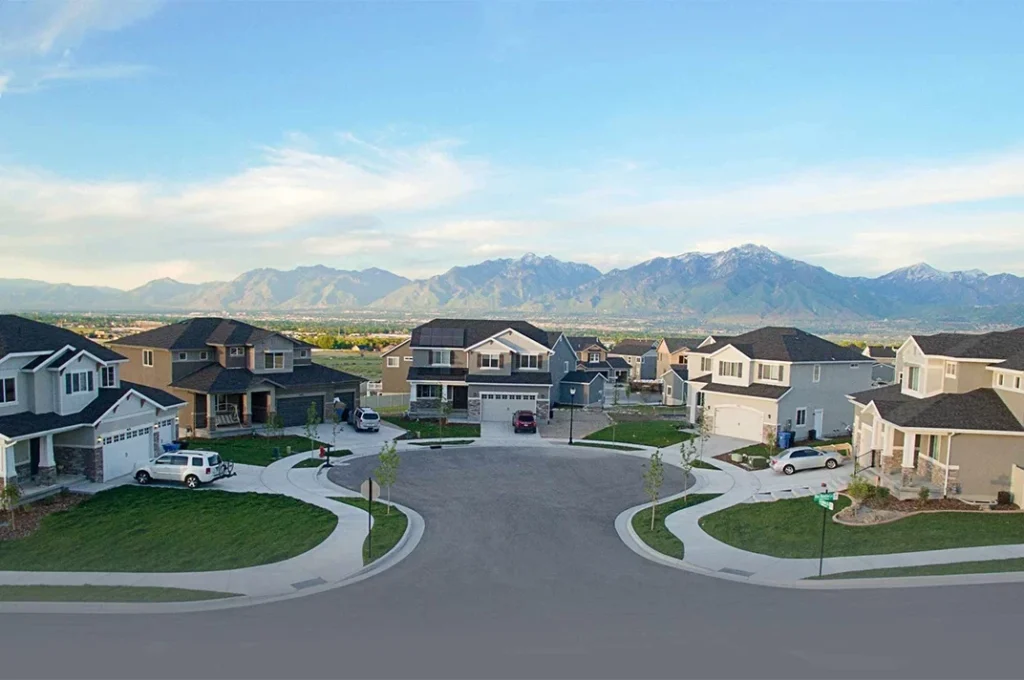

Selling a house without a realtor can give a Pittsburgh homeowner more control over pricing, marketing, showings, and negotiation. It may also reduce the listing-side brokerage cost. The tradeoff is that the owner takes responsibility for work an agent normally coordinates, including pricing, disclosures, the agreement of sale, transfer tax, title issues, and closing deadlines. If you want to know how to sell a house without a realtor, the safest approach is to treat FSBO as a managed transaction rather than a simple listing. Pittsburgh adds local details that generic Pennsylvania guides often miss, especially Allegheny County recording requirements, the city’s realty transfer tax, and the West Penn Multi-List system.
Can You Sell a House Without a Realtor in Pittsburgh?
Yes. A Pittsburgh homeowner can sell house without realtor representation. You do not have to hire a listing agent simply to transfer your own property. However, selling without an agent does not remove the seller’s responsibilities for accurate disclosures, a valid written contract, title work, transfer taxes, deed preparation, recording, and a properly handled settlement.
A seller can still hire limited professional help. A real estate attorney can review contract language or deed issues, while a title or settlement professional can coordinate title work and closing. For someone learning how to sell a house without a realtor in Pennsylvania, using professionals for the parts you do not understand can be very different from paying for full listing representation.
How to Sell a Pittsburgh House by Owner
Set a Realistic Asking Price
Start with recent closed sales in the same area and school district. Compare homes with similar size, property type, condition, lot, parking, and features. Active listings show competition, but they do not prove what buyers have actually paid. If the property is unusual or comparable sales are limited, a prelisting appraisal or paid valuation can help support the asking price.
Prepare the Home and Listing
Handle basic cleaning, small maintenance items, strong photos, and a factual description. Decide how showings will be scheduled and how buyer inquiries will be recorded. An FSBO listing needs accurate property details and a clear way for buyers and their agents to contact you.
Decide How You Will Reach Buyers
You can market directly through FSBO channels, yard signs, social media, and your own network, or use a flat fee MLS Pittsburgh service. A flat fee MLS option generally uses a participating broker to place the listing in the local MLS while the seller manages much of the transaction.
Review Offers and Negotiate the Agreement
Do not compare offers by price alone. Review financing, deposit, inspection rights, appraisal contingency, closing date, possession, seller concessions, and other deadlines. The Pennsylvania agreement of sale becomes the binding roadmap for the transaction. If a buyer has an agent, remember that agent normally represents the buyer unless a different legal relationship has been established.
Paperwork for Selling a House Without a Realtor in Pittsburgh
Paperwork for selling a house without a realtor is one of the main reasons FSBO transactions become difficult. The seller needs to know which documents are standard, which are required only in certain situations, and when they must be delivered.
Pennsylvania Seller’s Property Disclosure Statement
Pennsylvania real estate disclosure requirements generally call for residential sellers to disclose known material defects, subject to statutory exemptions. The Pennsylvania seller disclosure form should be provided before the buyer becomes bound by the agreement of sale. The form is not a substitute for inspection, and unusual transfers should be checked because exemptions can apply.
Agreement of Sale
The Pennsylvania real estate purchase agreement sets the sale price, deposit, contingencies, deadlines, closing date, possession, and allocation of many costs. A generic online form may not fit a specific property or deal. If you do not understand a contingency or addendum, legal review before signing is usually safer than trying to fix the language after a dispute begins.
Deed and Allegheny County Recording Documents
The deed must be prepared correctly for recording. Allegheny County requires details such as the legal description, parcel identification, prior deed reference where applicable, notarization, deed certification, and a Certificate of Residence. The deed also needs correct local transfer tax disbursement information. A recording problem can delay the transfer even when the buyer’s funds are ready.
When REV-183 May Be Needed
REV-183 Pennsylvania, the Realty Transfer Tax Statement of Value, is not automatically required for every ordinary arm’s-length sale. It may be needed when a deed does not state full consideration, when an exemption is claimed, for certain gift or no-consideration transfers, or when property lies in more than one municipality. The form should be used only when the transaction calls for it.
Federal Lead Based Paint Disclosure When It Applies
For most housing built before 1978, federal law requires disclosure of known lead-based paint or hazards and delivery of the required buyer information before the buyer becomes obligated under the contract. This requirement is separate from the Pennsylvania seller disclosure statement.
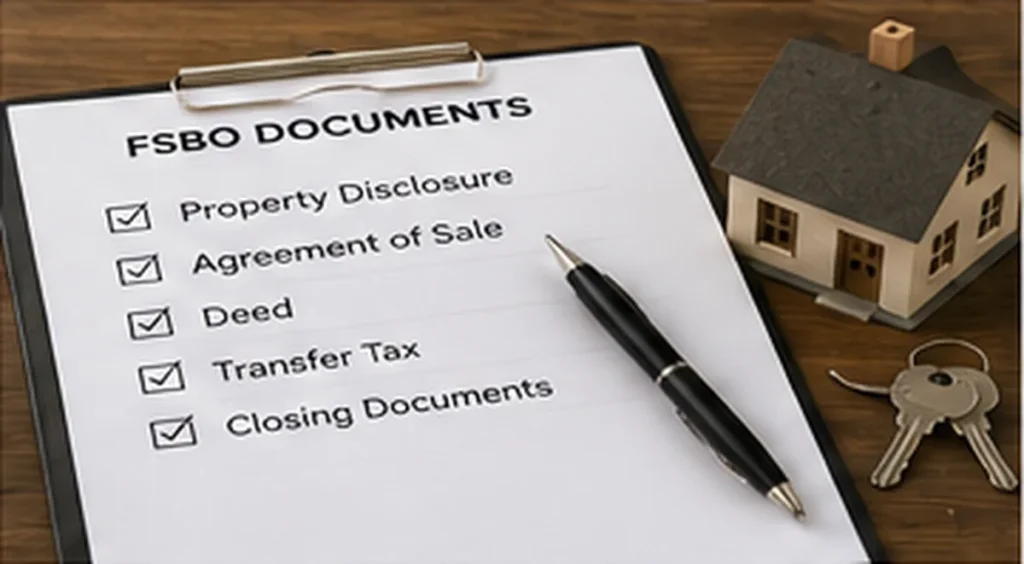
How Pittsburgh Realty Transfer Tax Works
Pittsburgh transfer tax needs special attention because the total rate is higher than in many Pennsylvania communities. For a property in the City of Pittsburgh and Pittsburgh School District, Allegheny County currently lists a 3% municipal rate and a 1% school district rate. Pennsylvania adds a 1% state realty transfer tax. That produces a 5% aggregate tax before considering any exemption or the parties’ agreed allocation.
For example, on a $250,000 transfer, 5% equals $12,500 in aggregate realty transfer tax. That calculation does not mean the seller automatically pays the full amount or exactly half. The agreement of sale should state how the parties will allocate the cost, while the underlying tax liability rules still apply. Properties outside the City of Pittsburgh may have different municipal and school district rates, so verify the exact jurisdiction before closing.
Pennsylvania realty transfer tax exemptions exist for qualifying transactions, but they should not be assumed. A transfer between family members, a corrective deed, or another unusual transaction may require different treatment and may also trigger the Pennsylvania realty transfer tax statement of value.
Seller Closing Costs in a Pittsburgh FSBO Sale
Avoiding a listing agent does not make the closing free. Seller closing costs Pennsylvania homeowners may still face include the agreed share of transfer tax, mortgage payoff and lien satisfaction, deed preparation or legal review, settlement charges allocated to the seller, buyer credits, document costs, and any negotiated buyer broker compensation.
The cost to sell a house without a realtor depends on what services you handle yourself and what you hire out. Photography, a flat fee MLS package, repairs, legal help, and settlement services can all affect the final net. Estimate these expenses before deciding that FSBO is automatically cheaper than full representation.
Is a Flat Fee MLS Worth It in Pittsburgh?
West Penn Multi-List serves the Pittsburgh region. A flat fee MLS Pennsylvania service can give an FSBO seller MLS exposure through a participating broker without paying for a full traditional listing package. This can be useful when the owner is comfortable managing inquiries, showings, negotiations, and much of the paperwork but still wants the property visible to agents searching the local MLS.
Before choosing a flat fee MLS Pittsburgh package, compare the listing term, photo limits, change fees, cancellation rules, broker support, required forms, showing tools, and any fee due at closing. Buyer broker compensation, if negotiated, is handled separately and is not published as an offer of compensation in the MLS.
How to Close on a House Without a Realtor
- Open title or settlement work after the agreement is signed.
- Complete the title search and resolve liens, judgments, payoff issues, or deed problems.
- Track inspections, appraisal, financing deadlines, and any negotiated repairs.
- Confirm transfer tax allocation, seller credits, payoff figures, and final settlement amounts.
- Review the deed and settlement documents before signing.
- Complete required signatures and notarization.
- Allow the settlement agent to disburse funds and record the deed with Allegheny County.
The key to how to close on a house without a realtor is to start settlement work early. Waiting until the closing date to discover a lien, deed problem, or payoff issue can put the entire transaction at risk.
FSBO vs Realtor for a Pittsburgh Home Sale
FSBO vs realtor is mainly a tradeoff between control, cost, time, and support. FSBO can reduce listing-side brokerage expense and lets the owner control communication. A full-service agent can provide pricing support, MLS management, marketing, showing coordination, negotiation, and transaction management. FSBO tends to fit sellers who are organized, available, and comfortable with paperwork. Traditional representation may fit better when pricing is difficult, the property has condition or title issues, or the seller cannot manage deadlines and buyer communication.
Common Pittsburgh FSBO Mistakes to Avoid
- Pricing from active listings instead of realistic comparable sales.
- Delivering the seller disclosure late or leaving known defects incomplete.
- Signing a generic contract without understanding contingencies and deadlines.
- Assuming REV-183 is required for every sale or never required.
- Using the wrong municipal or school district transfer tax rate.
- Ignoring deed certification, legal description, parcel information, or Certificate of Residence requirements.
- Waiting until the last week to resolve title or mortgage payoff problems.
Frequently Asked Questions
Do I need a realtor to sell my house in Pittsburgh?
No. Selling a house without a realtor is legal, but you remain responsible for the contract, disclosures, title, taxes, deed, and closing process. You can still hire an attorney or settlement professional for limited help.
What paperwork do I need for a Pennsylvania FSBO sale?
Paperwork for selling a house without a realtor Pennsylvania owners commonly handle includes the seller disclosure, agreement of sale, deed and recording documents, payoff information, settlement documents, and any transaction-specific forms such as REV-183 or federal lead disclosure.
What is the realty transfer tax on a Pittsburgh home sale?
For a property in the City of Pittsburgh and Pittsburgh School District, the current aggregate is 5%: 3% city, 1% school district, and 1% Commonwealth. Verify the exact property’s jurisdiction before closing.
Do I need REV-183 for every Pittsburgh home sale?
No. It is used in specific circumstances, including some transfers where full consideration is not stated, an exemption is claimed, or the property crosses municipalities.
Can I use a flat fee MLS service in Pittsburgh?
Yes. A participating broker can place an FSBO listing in West Penn Multi-List under a flat fee arrangement. Review the package terms and what support is included.
Final Thoughts on Selling Without a Realtor in Pittsburgh
Selling a house without a realtor can work when you understand Pittsburgh’s paperwork, transfer tax, marketing options, title process, and closing deadlines. The main benefit is control, but the seller also carries more responsibility. Verify current forms and local tax rates before signing. If the full FSBO workload feels too heavy, compare the likely net from FSBO with a traditional listing or a simpler direct-sale option before deciding.