
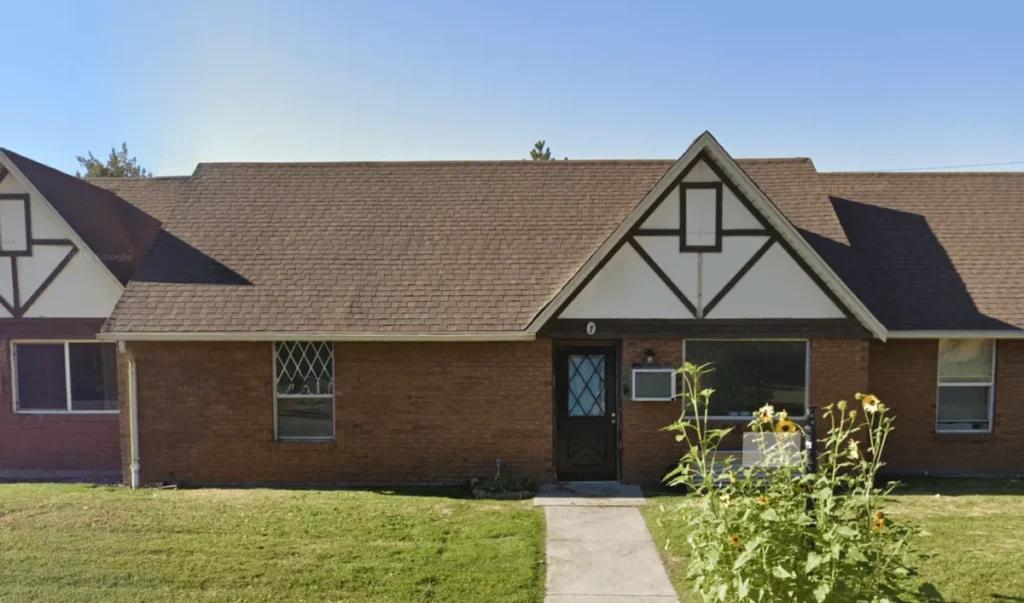
Yes, a landlord can sell a tenant occupied property in Utah, but the process depends heavily on the lease type, tenant cooperation, and the kind of buyer you’re working with. You do not need to wait until the property is vacant, and you do not need to manage an eviction first. This guide explains your legal obligations as a Utah landlord, the most practical selling options, and the situations where a direct cash sale makes the process significantly simpler. This article is for general information. Review your specific lease and consult a Utah attorney for legal questions about your situation.
Can You Sell a House With Tenants in It in Utah?
Yes. A tenant-occupied sale is legal and common in Utah. The sale does not automatically remove the tenant’s rights. The lease transfers with the property unless the buyer and tenant agree otherwise. Your tenant’s right to occupy continues through the end of their lease term, regardless of ownership change.
Traditional buyers purchasing with financing may hesitate to buy a tenant-occupied home because they often want to move in or have a vacant property for staging and inspections. Investor buyers and direct cash buyers are generally much more comfortable with tenant-occupied properties because they understand lease documents, deposit transfers, rental ledgers, and the reality of inherited tenancies.
Property Sellwise can review tenant-occupied rental situations without requiring the property to be vacant, repaired, or relisted publicly. If managing showings around a difficult tenant situation is a concern, a private direct sale may be the most practical option.
Understand Tenant Rights When a Landlord Sells Property
Utah law protects tenants during a property sale. The lease continues in effect regardless of who owns the home. Understanding the difference between lease types determines your timeline and your options.
Fixed Term Lease vs Month-to-Month Tenant Occupation
A fixed term lease, typically twelve months, generally continues through its end date even after the sale closes. The new owner steps into the landlord role and must honor the existing lease terms. A month to month agreement is more flexible: with proper written notice under Utah law, either party can end the tenancy. The required notice period for month to month arrangements should be confirmed against current Utah code and the specific lease language. Sellers should review their lease before making promises to any buyer about how long the tenant will be in place.
Can a Landlord Show a House While Occupied?
Generally, yes, but showings should be planned with reasonable advance notice to the tenant. Utah law typically requires at least 24 hours’ notice before entry for non-emergency purposes, though the specific lease may require more. Coordinating showings with tenant cooperation, keeping appointments grouped together, and minimizing disruptions protects both the landlord’s sale timeline and the tenant relationship. A hostile tenant who refuses access or makes showings difficult is one of the most common reasons landlords prefer a private cash sale with few or no showings.
Your Main Options for Selling a Rental Property With Tenants
There are three practical routes for selling a tenant-occupied rental. Each option has a different balance of speed, price, tenant disruption, and buyer pool.
Option 1: Sell the Tenant-Occupied Property to a Cash Buyer
For landlords who want speed and minimal tenant disruption, selling directly to a cash buyer is often the simplest route. Investor and cash buyers are experienced with occupied properties. They understand how to handle lease documents, security deposit transfers, existing rental agreements, deferred maintenance, and tenants who may have late payment histories or difficult communication patterns. No repairs, no public listing, few or no showings, and a closing timeline you control. Property Sellwise works with landlords in exactly these situations across Utah.
Option 2: Wait Until the Property Is Vacant
Vacancy simplifies staging, photography, buyer access, and retail listing. Owner-occupant buyers, who make up a large portion of the traditional market, strongly prefer vacant homes. However, waiting for a vacancy means lost rent income during the gap, potential cleanup and repair costs after the tenant leaves, and ongoing holding costs while the property sits empty before listing. Whether that delay is worth it depends on how much time remains on the lease and how marketable the vacant property will be.
Option 3: List the Rental on the Open Market
A traditional listing can work when the tenant is cooperative, the property is in good condition, lease documentation is clean, and the seller has enough time to manage the process. The main challenges include limited showing access, buyer financing contingencies, inspection concerns tied to the tenant’s management of the property, and buyer uncertainty about inheriting an existing tenancy. Some buyers will simply skip a tenant occupied listing entirely. This option is most viable when the rental income is strong and the property appeals to investor buyers who are comfortable with the existing lease.
How to Prepare a Tenant Occupied Rental for Sale
Regardless of which path you choose, a few preparation steps improve buyer trust and reduce friction:
- Review your lease, rental ledger, security deposit records, and tenant contact details before speaking with any buyer.
- Tell the tenant early and clearly explain how showings will be handled and what timeline you are working toward. Surprises often create tension.
- Limit showings where possible and group appointments together to minimize disruption to the tenant’s daily routine.
- Prepare basic property details for any serious buyer, including square footage, systems ages, known repair history, and current rent amount.
- Complete your Seller Disclosure form honestly, including any known property defects that developed during the tenancy.
For a faster private route, an investor walkthrough can often replace repeated retail showings entirely.
Does a Sitting Tenant Reduce the Value of a Rental Property?
It depends. A sitting tenant can actually increase value to the right buyer, specifically an investor who wants immediate rental income without the vacancy risk of finding a new tenant. If the rent is at or near market rate, the tenant has a strong payment history, the lease has favorable terms, and the property condition is maintained, a sitting tenant can be an asset.
On the other hand, a sitting tenant can reduce value when the rent is significantly below market, the lease has a long remaining term, the tenant has a history of late payments or complaints, the property has deferred maintenance that developed under the current tenancy, or the buyer wants to occupy the home themselves. Owner-occupant buyers typically discount or avoid tenant-occupied homes because they cannot move in immediately.
Buyer type matters most. Investor buyers weigh rent, lease terms, and tenant history. Owner occupant buyers want vacant possession. Matching the property to the right buyer type is what determines how much, if anything, the tenancy affects final sale price.
When Selling the Rental May Not Be the Best Move
Not every difficult rental situation means it’s time to sell. If the property cash flows well, the tenant is stable, and your primary frustration is temporary, it may be worth considering alternatives: hiring a property manager to handle tenant communication, renegotiating the lease at renewal to bring rent to market rate, or refinancing to improve the property’s financial structure.
Selling makes more sense when the rental is consistently draining time and cash flow, the tenant situation is causing ongoing legal or financial risk, repairs are needed that exceed what rent income supports, the property was inherited and you have no interest in operating it, or you’re relocating and can’t manage it from a distance. When those issues are present, the carrying costs of inaction are usually higher than the cost of delaying a clean exit.
Tax and Closing Notes Before You Sell a Rental Property
Selling a rental property has tax implications that a standard primary residence sale does not. Gains from the sale are generally reported as investment income, and depreciation taken during ownership may be subject to recapture, meaning you could owe tax on the depreciation deductions you claimed over the years, regardless of how the overall gain is calculated.
At closing, rent prorations, security deposit transfers, and lease assignment records need to be handled clearly so both parties know what transfers to the new owner. A CPA review before accepting any offer is strongly recommended if you’ve owned the rental for several years or taken significant depreciation. The tax consequences of timing, including whether to close before or after year end, can be meaningful. Do not rely on general information for your case.
Frequently Asked Questions
Can a landlord break a lease to sell property in Utah?
Generally, no, unless the lease itself contains a provision allowing early termination, or both parties agree. Selling the property does not end the tenant’s lease. Review your specific lease language and consult a Utah attorney before making any representations to a buyer about lease termination.
What does tenant occupied mean?
Tenant occupied means someone is currently living in the property under an active lease or rental agreement. Buyers purchasing a tenant occupied home typically need to review the lease terms, rent amount, security deposit, and tenant payment history before making an offer.
How long do tenants have to move out after a house is sold?
It depends on the lease type, remaining lease term, and what the buyer and seller agreed to in the purchase contract. A fixed term lease generally continues through its end date regardless of who owns the property. A month to month tenant may be given notice to vacate based on Utah’s statutory notice requirements. Review your lease and consult an attorney for your specific situation.
Is it better to sell a rental property with tenants or vacant?
It depends on the buyer. Investor buyers may prefer an occupied rental with stable rent income and a reliable tenant. Owner occupant buyers almost always prefer vacant possession. Vacant properties also tend to photograph better and allow easier showing access. The right answer depends on who you’re trying to sell to and what your timeline allows.
The Simplest Way to Sell a Rental Property With Tenants in Utah
For landlords who want a private sale, fewer tenant disruptions, no repair requirements, and a closing timeline they control, a direct cash offer from Property Sellwise is often the most practical path. We work with tenant occupied rentals across Utah, understand lease transitions and deposit handling, and structure the sale in a way that respects the tenant relationship while giving you a clean exit. No public listing pressure, no repair demands, and a no obligation cash offer so you can compare your options before deciding. Call 385-481-7007 or visit https://www.propertysellwise.com/ to get started.