
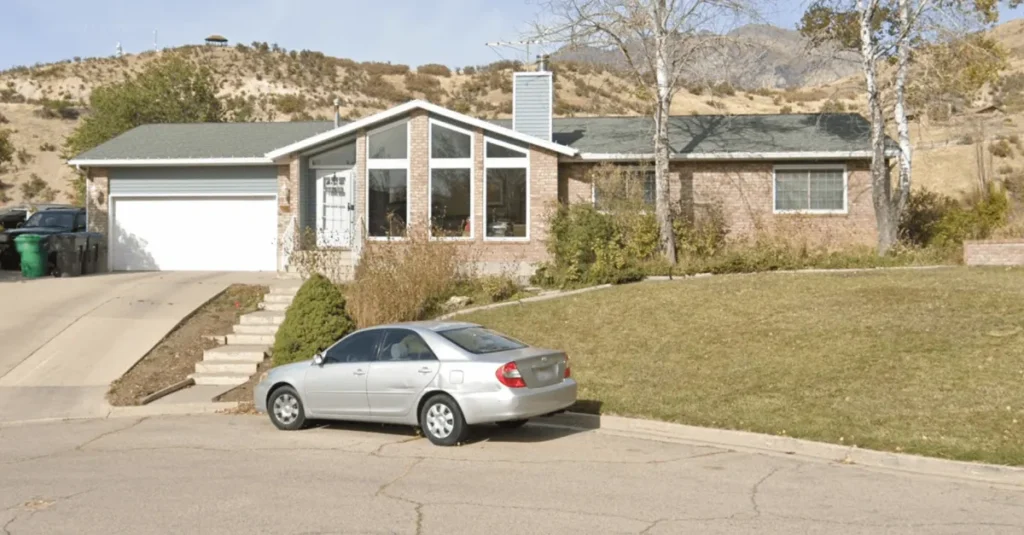
The idea that a house has to be fixed before it can be sold stops a lot of Utah homeowners from moving forward. It doesn’t have to. You can sell a house as-is in Utah without making repairs, but the right path depends on your property’s condition, your timeline, your price expectations, and which type of buyer is involved. This guide explains what as-is actually means legally, when it makes the most sense, what the process looks like step by step, and how to make an honest net proceeds comparison before spending a dollar on repairs.
What Does Selling a House As-Is Mean in Utah?
Selling a house as-is means the seller is not planning to make repairs, upgrades, cosmetic fixes, or cleaning improvements before the sale closes. The buyer accepts the property in its current condition, whatever that means for that specific home on that specific day.
What selling as-is does not mean is hiding known problems. Utah sellers are still required to complete a Seller’s Residential Real Estate Sales Disclosure form, documenting any known material defects. Skipping this is not optional, and an as-is sale does not change that obligation.
Buyers may still request an inspection even in an as-is sale, especially if they are using traditional financing. The difference is that in an as-is agreement, the seller has made clear upfront they will not be making repairs based on what the inspection finds. For sellers who are unsure about their specific disclosure obligations, consulting a Utah real estate attorney before listing is worth the time.
When Selling Without Repairs Makes Sense
There are many situations where the as-is path is not only acceptable but clearly the right move:
- Major repairs: roof replacement, foundation work, HVAC failure, outdated plumbing, or electrical systems that don’t meet code. These repairs can cost tens of thousands of dollars and take months.
- Mold, water damage, fire damage, or long-term neglect, conditions that make traditional buyer financing difficult or impossible.
- Inherited homes: heirs often don’t want to manage contractors and renovations from a distance, especially when the property contains belongings or deferred maintenance accumulated over decades.
- Rental properties with damage: tenant damage, unpermitted modifications, or properties in disrepair where the landlord wants a clean exit.
- Sellers facing relocation, foreclosure pressure, divorce, or a tight budget, especially when time and capital for repairs don’t exist.
In all of these situations, the as-is route, particularly a direct cash sale, allows the seller to exit without the delay and financial risk of trying to repair first.
Steps to Selling a House As-Is in Utah
The steps to selling a house as-is in Utah are simpler than most people expect. Here’s the practical sequence:
Step 1: Write Down the Property Condition Honestly
Before contacting buyers, agents, or investors, walk through the home and document everything you know about its condition. Include known roof issues, water intrusion history, foundation cracks, electrical problems, HVAC age, and plumbing leaks. This list becomes the foundation of your disclosure form and helps you get an accurate offer.
Step 2: Decide Between Cash Buyer, Agent, or FSBO
A cash buyer is the fastest route and requires no repairs. An agent may work if the home is livable and you have 60 to 90 days. FSBO can work if you understand pricing, paperwork, and buyer negotiation, but it adds complexity, especially for homes with condition issues. For most as-is sellers, a cash buyer removes the most obstacles. Selling my home as-is for cash is a common solution precisely because it removes the lender from the equation entirely.
Step 3: Get the Offer Before Spending on Repairs
Do not spend money on repairs before getting an as-is cash offer. Get the offer number first, then compare: what does it cost to make the repairs, how long will they take, what will the home likely sell for after repairs, and what will agent commissions and carrying costs reduce that number by? Only after running that comparison can you make an informed decision about whether repairs are actually worth it.
Step 4: Choose the Closing Timeline That Fits Your Situation
One of the advantages of a direct cash sale is flexibility on the closing date. Property Sellwise can close in as little as 7 days if you need speed, or work around a later date if you need time to make arrangements. The timeline is yours to control, which is rarely true in a traditional sale where lenders and appraisers set the pace.
Do You Need an Inspection or Small Repairs Before Selling?
For a direct cash sale, no. Cash buyers typically don’t require the seller to make repairs or order a pre-inspection. The buyer will usually do their own walkthrough to assess condition, and the offer reflects what they see.
For a traditional listing on the open market, buyers may still request an inspection as a contingency. If the inspection reveals problems, the buyer may ask for repairs or price reductions, even if the listing was marked as-is. This is a major practical difference between selling as-is to a cash buyer and listing as-is on the MLS.
Patching holes, cleaning, and minor cosmetic work may help if you’re listing traditionally because first impressions drive buyer interest. But for a direct cash sale, these efforts won’t change the offer. A pre-inspection is an optional tool: useful if you want to understand what a buyer will find before they do, but not a requirement for either path.
Can You Sell a House With Mold or Major Damage?
Yes. A house with mold, water damage, fire damage, or major structural issues can still be sold, but the buyer type matters significantly.
Traditional buyers using bank financing will usually struggle with these properties. Lenders often require a property to be habitable and meet certain condition standards before approving a mortgage. A house with active mold or significant structural damage will frequently fail lender requirements, which means the sale falls apart at financing.
Cash buyers are different. They are purchasing with their own funds and do not need lender approval. Known mold or water damage should still be disclosed honestly. Selling as-is does not mean withholding known defects. But a cash buyer is far more likely to accept the property in that condition, factor the remediation cost into the offer, and close without requiring the seller to fix anything first.
Pros, Cons, and Price Difference of Selling As-Is
Pros of Selling a House As-Is
No upfront repair costs. No contractor scheduling delays. Faster closing timeline, in days rather than months when working with a cash buyer. Fewer showings, less disruption, and a simpler process from offer to closing. Particularly useful for sellers dealing with condition issues, tight timelines, or properties that are difficult to prepare for the open market.
Cons of Selling a House As-Is
The buyer pool is smaller, especially on the open market, where many buyers using financing cannot purchase homes with significant condition issues. Buyers who do make offers may negotiate harder on price. The sale price will typically be lower than what the home would fetch fully repaired, which is the main compromise the seller has to evaluate honestly.
How Much Do You Lose Selling House As-Is?
No fixed percentage applies to every situation. The actual difference depends on the property’s condition, how much repairs would cost, the local demand in your specific Utah market, and the type of buyer involved. The fairest way to evaluate it is with a net proceeds comparison: take the as-is cash offer and compare it against the estimated net from a traditional sale after subtracting repair costs, agent commissions, carrying costs during the listing period, and any buyer concessions requested after inspection. In many cases, especially for properties with significant repair needs, the net difference between an as-is sale and a traditional sale is much smaller than the gross price difference suggests.
Sell Your Home As-Is for Cash in Utah
If you’re considering selling without repairs, the most useful first step is getting a real offer before spending any money. Property Sellwise buys homes across Utah as-is, with no repairs required, no agent fees, and no obligation to accept. We walk the property, present a cash offer within 24 hours, and can close on a timeline that works for your situation. Compare that number against your other options, and you’ll have the information you need to make the right decision. Visit propertysellwise or call 385-481-7007 to request your free cash offer today.
Frequently Asked Questions
Can you sell a house as-is without inspection?
Sellers can sell without ordering their own inspection. In a direct cash sale, the buyer handles their own property assessment. In a traditional listing, buyers may still request an inspection even if the home is listed as-is, but the seller can decline to make repairs based on the findings.
Do you have to patch holes when selling a house?
No, if selling to a cash buyer. For a traditional listing, patching visible holes may help with first impressions, but it is a cosmetic improvement rather than a legal requirement. Required repairs are those mandated by lender guidelines or negotiated in the purchase agreement.
Can you sell a house with mold in Utah?
Yes. Known mold should be disclosed on the Utah Seller Disclosure form. A cash buyer may still purchase the home without requiring remediation first, factoring the cost of treatment into the offer. Traditional buyers using financing may face lender restrictions on mold-affected properties.
How do I sell a house as-is by owner?
To sell as-is by owner, you’ll need to handle pricing, disclosure preparation, buyer screening, contract negotiation, and closing coordination yourself. It’s manageable for experienced sellers with a market ready home. For homes with condition issues, a direct cash buyer reduces the FSBO workload significantly by simplifying the entire transaction.
How much do you lose selling house as-is?
There is no universal number. The difference depends on repair costs, property condition, local market demand, and selling method. The fairest comparison is a net proceeds calculation: what the cash offer puts in your pocket versus what you’d net from a traditional sale after repairs, commissions, and carrying costs.