
You have a buyer for your Pittsburgh home, but a Property Certification shows an active code violation—or a Request for Compliance arrives just before settlement. Can you still sell? Sometimes. An unresolved notice does not automatically prohibit every transfer, but the condition of the building, the City’s enforcement action, required disclosures, and the buyer’s financing and title requirements can all affect closing.
Selling a house with code violations in Pittsburgh starts with finding out precisely what the City has recorded. From there, you can decide whether to repair the condition, challenge an incorrect notice, or negotiate an as-is transaction that addresses the outstanding issue honestly. The steps below focus on property within the City of Pittsburgh; nearby Allegheny County municipalities may use different procedures.
Can You Sell a Pittsburgh House With Open Code Violations?
Yes, a sale may be possible while a municipal violation remains open, but there is no universal rule allowing every property to close as-is. A notice concerning peeling exterior materials is not the same as an unsafe-building order, and a contractor’s estimate is not the same as official compliance. A lender may require repairs before funding; a buyer paying cash may still demand proof that the property can be lawfully occupied or used.
Start by separating three issues. A Request for Compliance tells the owner what the enforcement department believes needs correction. A citation or unsafe-condition determination may carry more immediate legal and safety consequences. A recorded municipal lien, judgment, or other title encumbrance raises an additional question for the settlement company. The appearance of a notice does not, by itself, establish that a lien has been recorded.
For homeowners asking whether they can sell a house with municipal code violations, the useful answer is: identify the specific action, ask the City what remains required, and confirm the buyer and closing team will accept a documented plan. An as-is agreement changes negotiated repair expectations; it does not automatically end municipal enforcement.
Check the Violation Record Before You List
Do not rely on a brief comment from a neighbor or a screenshot of an old complaint. Review the complete code violation notice, particularly the address, inspection findings, assigned inspector, compliance deadline, and instructions for responding. Pittsburgh’s Department of Permits, Licenses, and Inspections (PLI) administers building, zoning, and property-maintenance enforcement. Its Request for Compliance process generally gives an owner an opportunity to contact the inspector and correct the reported condition before further enforcement steps.
Call the inspector named on the notice and ask what must be done, whether a permit is needed, and what evidence or reinspection would close the case. Compare that answer with the property’s records in the City’s OneStopPGH and other applicable channels. If a contractor already corrected the problem, find out whether a follow-up inspection was completed and whether the record has been updated.
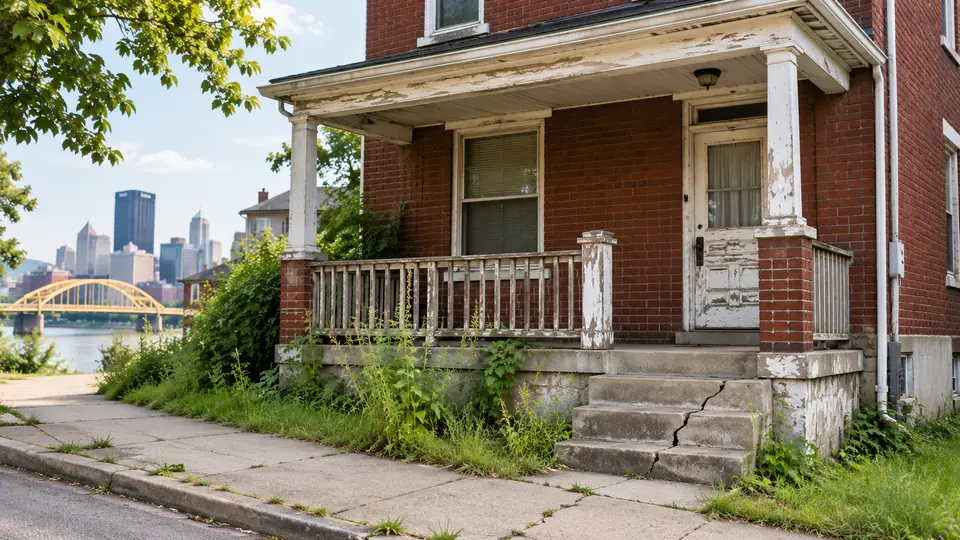
Common concerns include unsafe electrical conditions, damaged sidewalks, deteriorating exterior structures, property maintenance problems, and unauthorized use of part of a building.
A current local distinction also matters: effective March 13, 2026, new overgrowth and debris enforcement cases are handled by Environmental Services, while older cases already assigned to PLI remain with PLI. Follow the department and inspector identified in the actual case file.
What Pittsburgh Property Certification Actually Shows
For a City of Pittsburgh sale or refinance closing, the City requires Property Certification, formerly called the zoning certificate. The certification addresses zoning classification and legality of use, local historic designation, and active code violations or unsafe conditions. Owners or agents can apply through OneStopPGH.
Check that the application accurately describes the existing use and number of units. Compare the resulting certification with the original notice and contact the City if a corrected item still appears active. Obtain clarification before promising a buyer that the certification will be clear.
Decide Whether to Repair, Appeal, or Sell As-Is
The right route depends on severity, cost, the City’s instructions, and what a buyer is willing and able to accept. Request written estimates from qualified contractors rather than agreeing to vague seller credits.
If the violation is accurate and manageable, completing the work before listing can reduce uncertainty. A damaged handrail or localized exterior defect might be easier to correct than to negotiate repeatedly. If a notice appears factually incorrect, ask the inspector for the record and investigate the appropriate appeal. Pittsburgh uses different review bodies for certain licensing, property-maintenance, and construction-code matters. The deadline and effect of an appeal depend on the notice; filing one should not be assumed to suspend enforcement.
For a serious unsafe condition, begin with safety and professional assessment rather than marketing claims.
| Situation | Practical next move |
| Correctable maintenance issue | Obtain estimate, make permitted repair if needed, and seek reinspection. |
| Disputed finding | Request case details and obtain advice about the correct appeal process and deadline. |
| Major safety or use issue | Get professional evaluation; confirm City requirements and buyer/lender limitations before agreeing to close. |
Who Handles the Repairs After a Sale?
The seller and buyer can negotiate who pays for work and when it must happen. They may agree on a completed repair, a price adjustment, a credit, or another arrangement accepted by the relevant parties. But an agreement between private parties does not necessarily transfer every City enforcement obligation. Have the closing attorney confirm whether the proposed responsibility and schedule are legally workable, particularly if a notice concerns an unsafe structure or unresolved use violation.
Write the terms precisely: identify the cited condition, estimate or scope, party responsible, permit obligations, inspection milestones, funding arrangements, and consequences if the work is not completed.
Disclose Violations and Protect the Closing
Pennsylvania’s Real Estate Seller Disclosure Law generally requires covered residential sellers to disclose known material defects before the purchase agreement is signed. The prescribed disclosure statement specifically asks about known violations of laws and regulations, and about uncorrected zoning, housing, building safety, or fire ordinance violations. Applicability and statutory exceptions must be assessed for the actual sale; an estate or other special seller should ask counsel which obligations apply.
Give the buyer the relevant Request for Compliance, Property Certification, repair estimates, correspondence, and any proof of completed work. If a notice has been withdrawn or a case officially closed, preserve the written record. An “as-is” clause is not a substitute for accurate disclosures required by law.
A lender may require repairs even if the City allows additional compliance time. A title company may ask whether a municipal charge or lien was actually recorded.
Review the agreement of sale for inspection rights, repair deadlines, title requirements, financing contingencies, and the scheduled settlement date. A written amendment should explain any repair credit, escrow proposal, access arrangement, or closing extension.
Pittsburgh Occupancy Permit vs. Property Certification
Pittsburgh does not generally require a new Certificate of Occupancy merely because an existing home is bought or sold. The City does require Property Certification for a sale closing. Those are different records: a Certificate of Occupancy addresses an approved use and code compliance at the time it was issued, while Property Certification reports specified zoning and violation information for the transaction. Municipalities outside Pittsburgh city limits can have different requirements, so verify jurisdiction first.
Practical Steps to Move a Delayed Sale Toward Closing
A sale interrupted by a violation is easier to manage when everyone works from the same case number and written requirements. Start these seven actions as soon as the concern appears; do not wait until the week of settlement.
- Confirm the municipality and parcel. Verify that the property is inside Pittsburgh city limits and match the street address to the deed and municipal records.
- Get the actual record. Obtain the Request for Compliance, current case status, relevant inspection notes, and the required Property Certification. Ask which items remain open.
- Price the corrective work. Collect contractor assessments, permits needed, estimated scheduling, and whether PLI or another department must reinspect.
- Disclose known problems. Supply the correct seller disclosures and supporting notices to the buyer before signing the agreement where required.
- Ask each transaction party what it needs. Confirm the buyer’s acceptance, lender repair or appraisal conditions, title exceptions, and any insurance concerns.
- Put the remedy in writing. Specify whether the seller repairs, the buyer assumes a negotiated task, or an approved financial arrangement will apply, with realistic deadlines.
- Verify the outcome before settlement. Obtain updated City documentation where appropriate, confirm any separately recorded lien payoff, and keep the final settlement and repair records.
The division of responsibility is important. The inspector or enforcement department can explain compliance status; City Planning handles Property Certification; the buyer and lender decide what purchase and loan conditions they accept; the settlement company checks title requirements; and an attorney interprets disputed obligations or legal restrictions.
If the buyer needs financing, do not advertise a certain closing date merely because a contractor is available. Permit review, reinspection, a new appraisal condition, or a title issue could still change the schedule.
Frequently Asked Questions
Do Pittsburgh code violations have to be cleared before a house can close?
Not necessarily in every case. The type of violation, the City’s enforcement position, and buyer, lender and title conditions determine whether a particular sale can proceed. An active unsafe condition or financing requirement may make correction necessary before closing. Ask the City and transaction professionals for written confirmation rather than assuming every open notice prevents a deed transfer.
What happens if Pittsburgh Property Certification shows active violations?
The certification alerts the transaction parties to active municipal records. Compare the entry with the original notice, determine whether the condition was corrected, and ask the assigned department about compliance status. Then disclose relevant findings and negotiate next steps with the buyer. Property Certification is not itself a final building inspection or an assurance that every condition is acceptable.
Can a cash buyer purchase a Pittsburgh house with unresolved violations?
Potentially. A cash buyer may avoid mortgage underwriting restrictions and may consider a home needing repairs. That does not erase a City order, a recorded lien, or applicable disclosure duties. Require a written contract describing the known issue, responsibilities and closing conditions. Compare the actual amount you will receive after expenses rather than relying on a promise of speed.
How long do you have to fix a code violation in Pittsburgh?
There is no single deadline for every case. Review the date and instructions in your Request for Compliance and contact the assigned inspector promptly. The process can involve additional inspections and enforcement if a problem remains unresolved. The schedule can also differ for unsafe conditions and cases assigned to another department. Do not rely on a generalized online deadline.
Who is responsible for code violations after an as-is sale in Pennsylvania?
The contract may allocate repairs and costs between seller and buyer, but that allocation does not automatically override municipal enforcement or remove existing title claims. A seller must also comply with applicable disclosure duties. Ask a local real-estate attorney to review whether the proposed post-closing plan is valid, who must obtain permits, and what documentation the City requires.
Conclusion: Confirm the Record Before Choosing a Sale Plan
Selling a Pittsburgh home with open municipal code violations is not automatically impossible, but the details determine whether a buyer can close. Identify the notice, check Property Certification, confirm who handles enforcement, and disclose known conditions accurately. Then compare the cost of correcting the issue with a properly documented as-is offer. Before committing to a settlement date, have the buyer, lender, title company and local legal adviser confirm the proposed solution. A clear written plan is more useful than a general promise that the problem can wait.