
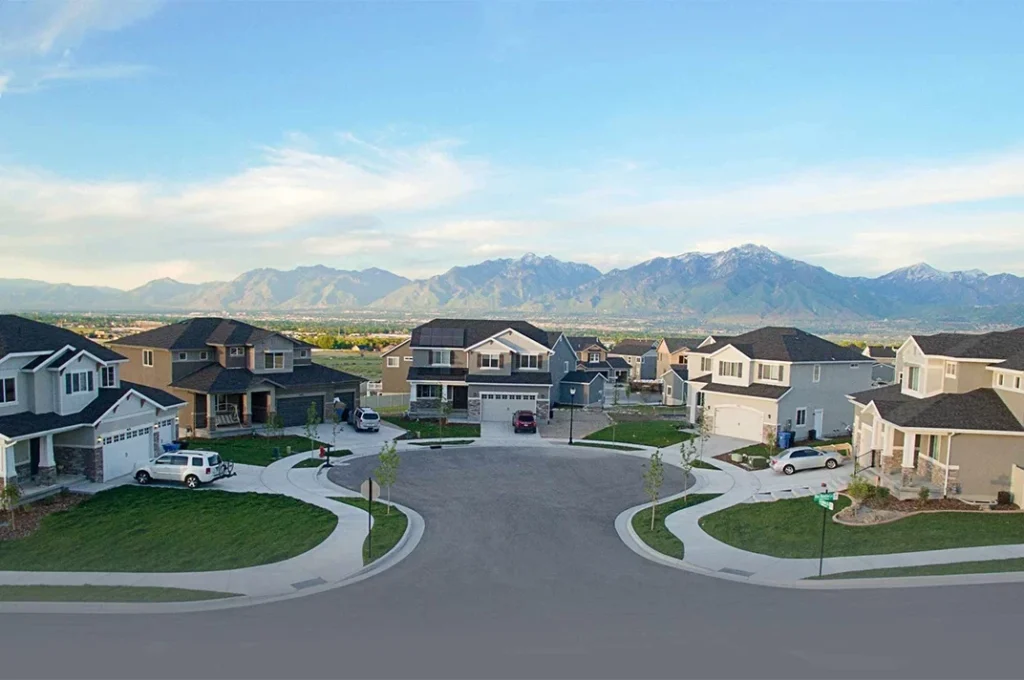

Selling a house as is in Pennsylvania allows a Pittsburgh owner to offer the property in its current condition without agreeing to complete repairs before closing. That does not remove disclosure duties, inspection rights, title work, or the need for a clear written contract.
This route may suit a home with deferred maintenance, an inherited property, a former rental, or a house that would require more time and cash than the owner wants to invest. The important question is not simply whether repairs can be skipped. It is which sale method gives the best balance of net proceeds, certainty, workload, and timing. This guide covers disclosure rules, repair decisions, cash-offer checks, paperwork, and the steps from contract to closing.
What Selling a Home As Is Really Means
An as is sale means the seller is offering the property in its present condition and does not plan to repair, replace, or upgrade items merely because a buyer requests the work. The final agreement of sale controls the parties’ duties, so the as is position should be written into the contract rather than left only in the listing description.
A buyer may still inspect the property, ask questions, negotiate the price, request a credit, or cancel when the written agreement gives that right. For example, an outdated kitchen is a visible condition a buyer can price into an offer. A recurring basement leak known to the seller is different because it may be a material defect that requires accurate disclosure. The phrase as is describes the repair position; it does not protect concealment or false statements.
Pennsylvania Disclosure Rules for an As Is Home Sale
Pennsylvania generally requires covered residential sellers to disclose known material defects and deliver a signed property disclosure statement before the buyer and seller sign the agreement of transfer. This requirement still matters when selling a house as is in Pennsylvania. Sellers should report what they actually know, avoid guessing, and update information if a disclosed condition materially changes before settlement.
What Counts as a Known Material Defect
A material defect is a problem that can significantly affect the property’s value or create an unreasonable safety risk. In Pittsburgh homes, examples may include foundation movement, repeated basement water entry, an active roof leak, unsafe electrical work, sewer problems, or structural damage. These are examples only; the facts of the property control what must be reported.
The Pennsylvania Seller Disclosure Form
The seller disclosure form Pennsylvania transactions commonly use covers major systems and conditions. It asks about the roof, basement, structure, plumbing, electrical service, heating and cooling, water and sewage, hazardous substances, boundaries, and legal issues that may affect title or use. The form is not a warranty and does not replace the buyer’s inspection. It records the seller’s known information at the time it is completed.
Local Conditions Worth Addressing When Known
Pittsburgh-area properties may raise questions about radon test results, mine subsidence history or coverage, and lead-based paint. For most homes built before 1978, separate federal lead disclosure duties may apply. These issues should be handled only when relevant to the property rather than treated as assumptions about every older home in Allegheny County.
Transactions That May Have Different Rules
Pennsylvania law lists limited exceptions for certain transfers, including some fiduciary, family, foreclosure, court-ordered, new-construction, and nonresidential transactions. An exception should not be treated as permission to conceal a problem or ignore other contract and federal duties. Estate sales, trusts, divorces, and unusual ownership situations should be reviewed by a Pennsylvania real estate attorney or settlement professional. This article provides general information, not legal advice.
Should You Repair the House or Sell It in Its Current Condition?
The decision should be based on net proceeds, time, and risk rather than the highest possible list price. Compare the expected repaired sale price with repair costs, mortgage payments, taxes, insurance, utilities, commissions, concessions, closing costs, and the risk that the project takes longer or costs more than expected.
Limited work may help when a low-cost repair improves safety, access, insurance eligibility, or buyer confidence. Major renovation may be harder to justify when the house is inherited, heavily dated, affected by code concerns, or owned by a landlord who no longer wants to manage contractors and carrying costs. There is no reliable fixed answer to how much do you lose selling a house as is. The difference depends on condition, location, buyer demand, financing, repair estimates, and contract terms.
Ways to Sell an As Is House in Pittsburgh
Pittsburgh sellers generally compare three routes. None is automatically best. The right choice depends on the home’s condition, the seller’s available time, likely buyer financing, desired certainty, and expected take-home proceeds.
List the Property With a Real Estate Agent
An agent can market the home to owner occupants, renovation buyers, and investors while helping with pricing, showings, disclosures, and negotiations. The tradeoff is a longer preparation process, commissions, possible concessions, appraisal risk, and inspection discussions. A traditional listing can still state clearly that the home is being offered in its present condition.
Sell the House by Owner
A private sale gives the owner direct control, but it also shifts pricing, photography, marketing, buyer screening, disclosures, negotiations, and settlement coordination to the seller. Anyone researching how to sell a house by owner in Pennsylvania should budget for contract and closing support. Avoiding an agent does not remove legal paperwork, title review, transfer taxes, or other settlement costs.
Request Offers From Direct Cash Buyers
Direct cash home buyers Pittsburgh homeowners contact may accept significant repairs and avoid lender approval. That can reduce financing risk and allow more flexible timing, but convenience may come with a lower price than a well-marketed retail sale. Request written terms, verify proof of funds, and compare more than one offer when practical.
| Method | Likely Speed | Preparation | Buyer Reach | Common Costs | Main Risk |
| Agent listing | Often longer | Cleaning, access, records | Broadest | Commission, concessions | Inspection or financing changes |
| Owner sale | Varies | Seller manages all tasks | Depends on marketing | Legal, title, marketing | Pricing and paperwork errors |
| Direct cash sale | Can be shorter | Usually limited | Narrower | Contract-specific fees | Lower price or weak terms |
How to Compare Cash Offers Without Missing Hidden Costs
Start with the estimated net amount, not the headline price. Identify seller-paid closing costs, transfer taxes, liens, unpaid utility balances, commissions, service fees, cleanup charges, and requested credits. A larger offer can produce less at closing when it contains more deductions or uncertain terms.
Confirm the buyer’s legal name and request current proof of funds. Review the earnest money, inspection period, cancellation rights, title conditions, closing date, and any financing language. Check whether the contract can be assigned to another buyer and understand what that means before signing. Assignment is not automatically improper, but the seller should know who controls the agreement and who is expected to close.
Warning signs include vague fee language, a very small deposit, repeated closing extensions, pressure to sign immediately, or a large price reduction after inspection. Compare at least two written offers when possible and measure each against an estimated open-market as is net. The best offer is the one that combines acceptable proceeds with clear terms and a credible path to closing.
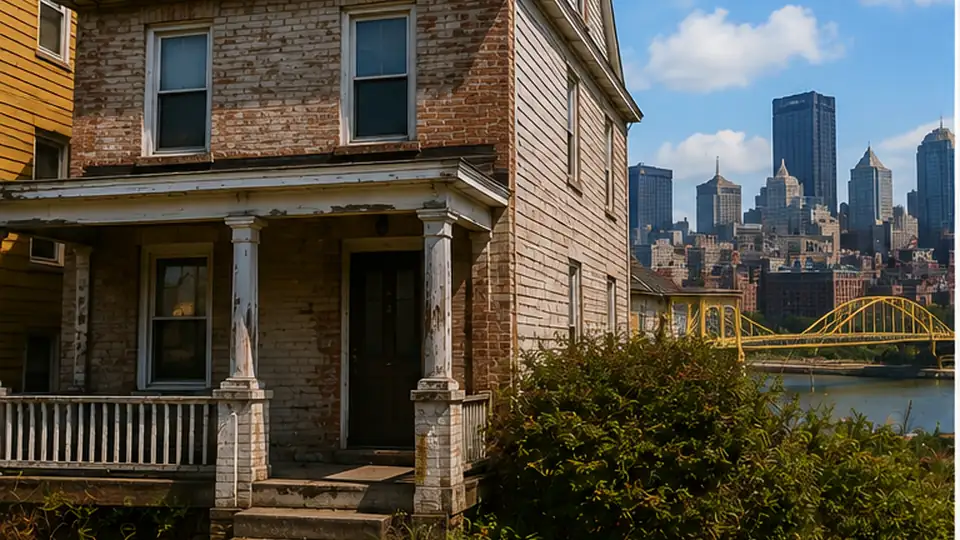
Paperwork Needed to Sell a Pittsburgh Home As Is
The documents needed to sell a house depend on ownership, financing, condition, and the sale method. Gathering records early helps the title or settlement provider identify problems before they threaten the closing date.
Ownership and Property Records
Collect the deed or a recorded copy, mortgage and payoff information, property tax details, utility balances, permits, warranties, repair invoices, leases, and relevant estate or power-of-attorney documents. Allegheny County land records include recorded deeds and mortgages, so a missing original deed does not always stop a sale. The settlement provider should confirm what is required for the specific transaction.
Disclosure and Contract Documents
Prepare the Pennsylvania seller property disclosure statement when the transaction is covered, federal lead-based paint disclosure documents when applicable, the agreement of sale, any contract to sell house as is language, inspection reports, and written amendments. Keep copies of every signed disclosure and acknowledgment.
Closing Documents
Closing commonly requires identification, payoff authorization, a settlement statement, deed, tax forms, lien releases, keys, and final affidavits requested by the closing provider. Estates, trusts, divorces, liens, tenants, and business ownership can change the list, so this should be treated as a planning checklist rather than a universal requirement.
From Accepted Offer to Closing
- Review the written agreement only after the price, contingencies, buyer identity, closing date, and responsibility for costs are clear.
- Deliver required disclosures and complete any agreed inspection, appraisal, or due-diligence steps.
- Allow the title or settlement provider to verify ownership, liens, taxes, mortgage payoff amounts, and recording requirements.
- Review the final settlement statement and question any deduction or credit that does not match the contract.
- Sign the deed and closing documents, confirm the transfer of funds, and follow the agreed recording and possession arrangements.
An accepted offer makes the property under contract; it does not mean the house is fully sold. The transaction is generally completed at closing after the required documents are signed, funds are transferred, and the deed is handled for recording. The closing provider can confirm the final status for the specific sale.
Frequently Asked Questions
Can I Sell My Pittsburgh House As Is Without Making Repairs?
Yes. A Pittsburgh owner can sell a home in its current condition without completing repairs. Known material defects still need accurate treatment, and the buyer may keep inspection, negotiation, or cancellation rights when the written contract provides them.
How Much Do You Lose When Selling a House As Is?
There is no fixed percentage. The price difference depends on the home’s current value, repair scope, buyer pool, financing eligibility, urgency, fees, and contract risk. Compare estimated net proceeds from a repaired listing, an as is listing, and direct offers.
Do I Need the Original Deed to Sell My House?
Usually, the title or settlement provider can work from recorded county land records and obtain a deed copy. The seller should still provide any ownership, estate, trust, or name-change documents requested for the transaction.
Can I Sell a House Without a Realtor in Pennsylvania?
Yes. A homeowner may sell privately, but remains responsible for pricing, disclosures, buyer verification, a valid contract, title work, settlement coordination, and closing costs. Legal or settlement support can reduce avoidable paperwork and contract errors.
When Is a House Considered Sold?
An accepted offer means the home is under contract, not fully sold. The sale is completed through closing after the required documents are signed, funds are transferred, and the deed is submitted for recording under the settlement arrangements.
Choose the Sale Method That Fits Your Priorities
Selling a house as is in Pennsylvania can reduce repair work and simplify preparation, but disclosure, pricing, paperwork, and contract review still matter. Compare the expected net proceeds, timeline, workload, and certainty of an agent-listed sale, a private sale, and written cash offers. A no-obligation property review can help you compare those routes before accepting terms that are difficult to change later.