
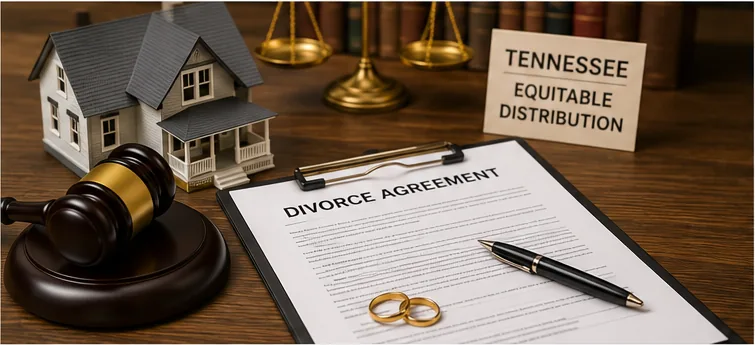
Can I sell my house during a divorce in Tennessee? A sale can be possible, but the answer depends on whether the home is marital property, whether both spouses agree, the mortgage, the equity, and any temporary or final court order. The house is often one of the largest financial decisions in a divorce, so selling a house during divorce should not be treated like an ordinary transaction. Tennessee homeowners generally have three paths: sell the property and divide the proceeds, let one spouse keep it through a buyout, or keep the home for a limited period and sell later. The right plan should address ownership, loan liability, current value, sale costs, and how money will be handled at closing.
Can You Sell the House Before the Divorce Is Final?
Yes, a sale before final judgment may be possible, but a pending divorce can restrict one spouse from disposing of marital property without the other spouse’s consent or a court order. The practical difference is cooperation. When both spouses agree, they can work out price, repairs, signing authority, and proceeds instructions. When one spouse tries to act alone, the divorce case, temporary orders, marital agreement, and title must be reviewed before listing or accepting an offer. Do not assume one spouse can sell the marital home alone simply because that spouse is the person talking to the buyer.
How Tennessee Treats the Marital Home
What Counts as Marital Property?
Marital property generally includes property acquired during the marriage, while separate property can include qualifying premarital property and other interests treated separately under Tennessee law. A home owned before marriage can become more complicated when marital money or effort pays down debt, funds improvements, or increases value. Tennessee divorce property division therefore depends on the facts, not only the purchase date or deed.
Why Tennessee Is Not an Automatic 50/50 State
Tennessee follows equitable distribution. Equitable means fair under the statutory factors, not automatically equal. The court can consider the circumstances of the spouses and the property when dividing marital assets. No one should use a fixed percentage to predict how a particular home’s equity will be divided.
Who Gets the House in a Tennessee Divorce?
The home can be awarded to one spouse, sold, or handled through an agreement that delays a final sale. Factors can include economic circumstances, contributions to the property, other marital assets, and family needs. Who gets the house in a divorce in Tennessee is therefore a property division question and a financing question at the same time.
When One Spouse Wants to Keep the Home
Keeping the house requires a workable plan for the other spouse’s ownership interest and for the mortgage. The spouse staying in the home should confirm the cost of the buyout, whether the loan can be refinanced or assumed, and whether the ongoing mortgage, taxes, insurance, and repairs are affordable on one household budget.
Your Main Options for the House
Sell the House and Divide the Proceeds
A sale converts the property into cash. The mortgage payoff, liens, and selling costs are deducted before the remaining net proceeds are handled according to the settlement or court order. Divorce house sale proceeds should be calculated from the closing statement, not from the sale price alone.
One Spouse Buys Out the Other
A house buyout starts with an agreed home value, subtracts the mortgage balance and relevant adjustments to estimate equity, and then applies the share established by the settlement or court. For example, a $360,000 home with a $220,000 mortgage has $140,000 in gross equity. If an equal split is agreed in this example, the departing spouse’s starting share would be $70,000. That example is not a Tennessee court formula.
Keep the House for Now and Sell Later
Some couples delay the sale. If they do, the agreement should state who pays the mortgage, taxes, insurance, maintenance, and major repairs, who lives in the home, how a future listing will be handled, and how future equity will be divided. Delayed sale terms should have a clear end point.
What Happens to the Mortgage After Divorce?
A divorce can allocate responsibility between spouses, but it does not automatically change the lender’s contract. If both names remain on the mortgage, both borrowers can remain liable to the lender. Possible solutions include refinance, an eligible loan assumption with release of liability, payoff through a sale, or another lender approved arrangement.
Refinancing and Removing a Spouse From the Loan
Removing a name from title is not the same as removing a name from the mortgage. The spouse keeping the home should confirm lender or servicer requirements and financing approval before promising a buyout date. A refinance can solve both payoff and buyout funding in some cases, but only if the borrower qualifies.
Is It Better to Sell Before or After the Divorce?
There is no universal answer. Selling before final judgment can simplify the asset picture when both spouses cooperate and know how proceeds will be handled. Waiting until the divorce is final can create clearer instructions about ownership, sale timing, expenses, and distribution. Compare cooperation, moving plans, mortgage affordability, market timing, expected net proceeds, and tax questions rather than choosing based only on speed. Federal capital gains rules can vary with ownership, use, filing status, and the divorce arrangement.

What If One Spouse Refuses to Sell?
One spouse generally should not treat jointly controlled marital property as theirs to sell alone during a pending divorce. If the spouses cannot agree, the property issue may need to be resolved through the divorce process. Tennessee courts have authority in appropriate cases to order a sale and direct how the proceeds are handled. If an ex spouse later refuses to follow an existing sale requirement, the next step depends on the wording of the final agreement or order and the available enforcement process.
How Home Equity and Sale Proceeds Are Handled
Home equity is the home’s current value minus secured debt. Actual net sale proceeds also reflect selling costs, liens, prorations, and other valid closing charges. A current appraisal or reliable market valuation can be important when spouses disagree about value or a buyout. Tennessee equitable distribution means the final allocation follows the settlement or court decision rather than an assumed fixed percentage.
Steps for Selling the House During Divorce in Tennessee
- Confirm who owns the property and review any divorce related restrictions, temporary injunctions, or orders.
- Agree on the selling method, price strategy, repair budget, showing process, and who will communicate with the real estate or home buying professional.
- Get a realistic home value and current mortgage payoff information.
- Decide how mortgage, tax, insurance, repair, and sale expenses will be paid before closing.
- Review offers using the same agreed criteria so one spouse does not control the process alone.
- Put closing cost and net proceeds instructions in writing or follow the court order.
- Keep the closing statement, payoff records, and proof of how proceeds were distributed.
Taxes and Costs to Check Before Closing
Use the actual closing figures when estimating what each spouse may receive. Mortgage payoff, liens, selling costs, credits, and prorations reduce the amount left from the sale price. Federal home sale tax rules can also affect a divorcing homeowner, but eligibility for an exclusion depends on ownership, use, filing circumstances, and the divorce facts. Do not assume every divorcing couple receives the same tax treatment.
Common Questions About the House in a Tennessee Divorce
Do I Have to Sell My House in a Divorce?
No. The main alternatives are a sale, a spouse buyout, or a delayed sale arrangement. The correct option depends on the property division, mortgage, equity, and affordability.
Can One Spouse Sell the House Without the Other Spouse?
Not simply because one spouse wants to. Title, marital property rights, temporary restrictions, agreements, and court orders all matter. Check signing authority before marketing or accepting an offer.
Can a Judge Force the Sale of a House in Divorce?
A Tennessee court can order a sale in appropriate cases as part of property division. The order can also direct how the net proceeds will be handled.
How Does a House Buyout Work in Divorce?
Estimate the current value, subtract mortgage debt and relevant adjustments, and apply the departing spouse’s share under the settlement or court order. Then confirm how the keeping spouse will fund the payment and handle the loan.
What Happens to the Mortgage if One Spouse Keeps the House?
The divorce does not automatically remove the departing spouse from the loan. The lender must approve a refinance, assumption, release, payoff, or another acceptable solution.
Making a Clear Decision About the House
The three practical choices are to sell, buy out, or delay the sale. Base the decision on current home value, mortgage responsibility, affordability, the divorce agreement or court order, and tax consequences. If you are still asking can I sell my house during a divorce in Tennessee, first confirm the legal authority and property terms, then compare the expected net proceeds and timeline of the available sale options. A no obligation property review can be useful only after those core facts are clear.